Malaysia E-Invoice System Guide 2026-27: Requirements, Timeline & Software Solutions
The e-invoice system brings a complete transformation to how Malaysian businesses handle their invoice management operations. The system helps businesses create invoices quickly while verifying information and sharing documents accurately. Businesses now have the option to manage all their invoices through a single digital system, which eliminates the need for paper sorting. The basic procedure helps users save time while reducing errors and generates organised documentation.
Malaysia introduced the e invoice system to build a stronger tax system and support digital business growth. The guide provides businesses with complete information about the rules and implementation timeline, and software options, which help them meet all requirements through proper preparation.
What's an E-Invoice System in Malaysia?
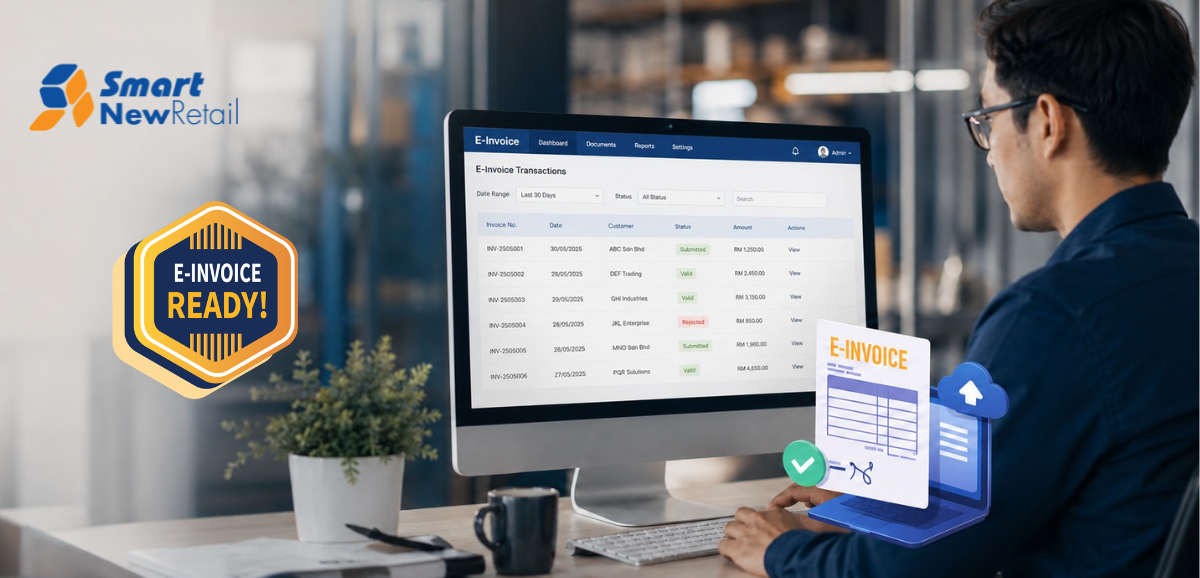
An electronic invoice is a digital document that records a business sale or service in a structured format. Unlike a PDF or a scanned paper invoice, an electronic invoice holds data that tax systems can read and check with ease.
Malaysia's framework demands that businesses create invoices to match standards before sending them through the government's validation platform. After the e invoice pos system approves the invoice, it adds a unique validation reference. The business can then share the invoice with the buyer.
The system covers several business documents, including:
- Tax invoices
- Credit notes
- Debit notes
- Refund notes
- Self-billed invoices
Why Malaysia Introduced E-Invoicing
Malaysia introduced electronic invoicing to strengthen tax compliance and encourage digital business practices.
Paper invoices often create delays, missing details, and duplicate records. Manual work also increases the chance of mistakes.
A digital invoicing system solves many of these problems.
The main goals include:
- Improve tax transparency
- Reduce tax leakage
- Create reliable transaction records
- Support digital transformation
- Simplify tax reporting
- Reduce fraudulent invoices
How Does Malaysia's E-Invoice System Work?
Malaysia follows a validation process that checks every invoice before it becomes an official business record.
The process follows five simple steps.
Step 1: Create the Invoice
The seller creates an invoice using accounting or billing software that supports the required digital format.
Step 2: Validate the Invoice
Next, the software sends the invoice to the tax authority through secure e-invoice integration.
The e invoice pos system checks every detail and confirms that the invoice meets the required standards.
Step 3: Receive Validation
If the invoice meets the requirements, the system returns a confirmation together with a unique reference number.
This step confirms that the invoice is valid.
Step 4: Deliver the Invoice
The seller sends the validated invoice to the customer through email, digital platforms, or another approved method.
Step 5: Store Business Records
Both the buyer and the seller keep the validated invoice for future reference, tax reporting, and audits.
This simple workflow removes repeated data entry, keeps records accurate, and helps businesses work with greater confidence.
Malaysia E-Invoice Implementation Timeline
Malaysia introduced electronic invoicing through a phased implementation plan. This approach allows businesses enough time to prepare their systems before compliance becomes mandatory.
The timeline below provides a simple overview.
Implementation Phase | Businesses Covered | What Businesses Should Do |
Phase 1 | Large taxpayers | Begin issuing electronic invoices through the approved system and meet all compliance requirements. |
Phase 2 | Medium-sized businesses | Upgrade invoicing processes, train staff, and prepare systems for mandatory compliance. |
Phase 3 | Small and medium enterprises (SMEs) | Adopt compliant digital invoicing software and align business operations with the required standards. |
Final Phase | All remaining eligible businesses | Complete the transition to electronic invoicing and follow the national e-invoicing framework for every applicable transaction. |
Key Features of an E-Invoice Software Solution
The right invoicing software helps businesses meet tax rules and handle daily work with ease. It should simplify every task and keep financial records clear and correct.
Look for these important features.
Automatic Invoice Validation
The software should send invoices for validation without extra work. Businesses can detect their errors during the first stage through this feature, which enables them to produce perfect customer invoices.
Secure Data Management
All businesses need to protect their financial information. The protection of vital data depends on strong security measures which combine user access controls with systematic backup procedures.
Real-Time Reporting
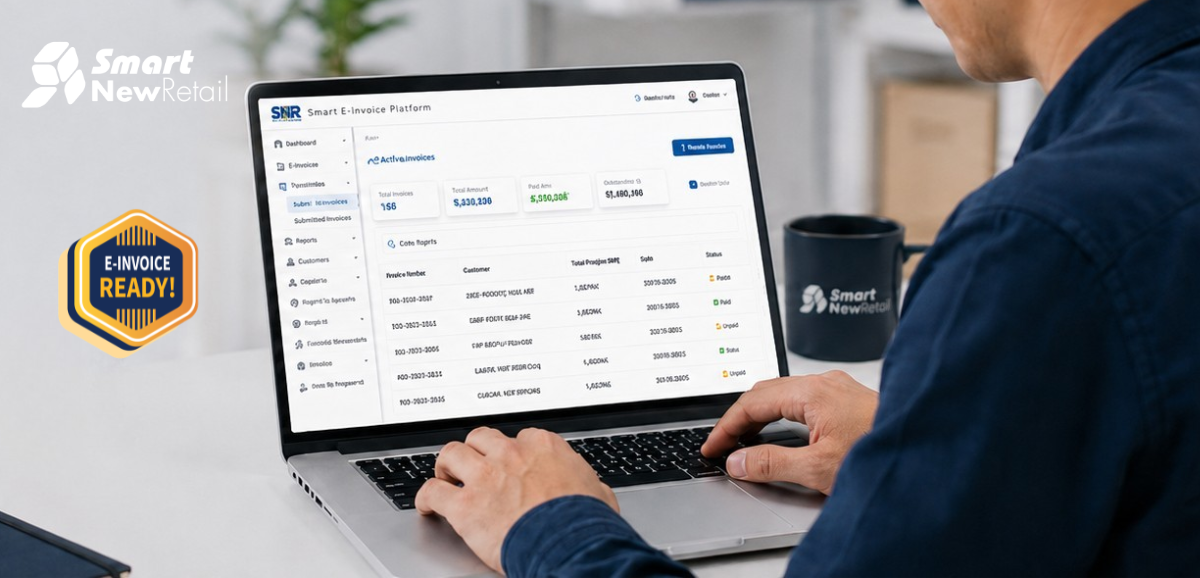
Businesses can track their invoice status, tax information, and transaction records on a single dashboard, which provides clear reporting. Managers can also spot trends and make better decisions.
Easy System Connection
Most businesses operate with accounting software, inventory tools and payment systems as their standard operating procedure. The systems achieve data entry efficiency through their automated e invoice system, which eliminates the need for users to enter information multiple times.
Audit Trail
The software should record every action. This record helps businesses check changes, solve issues, and prepare for future audits.
Benefits of Using an E-Invoice POS System
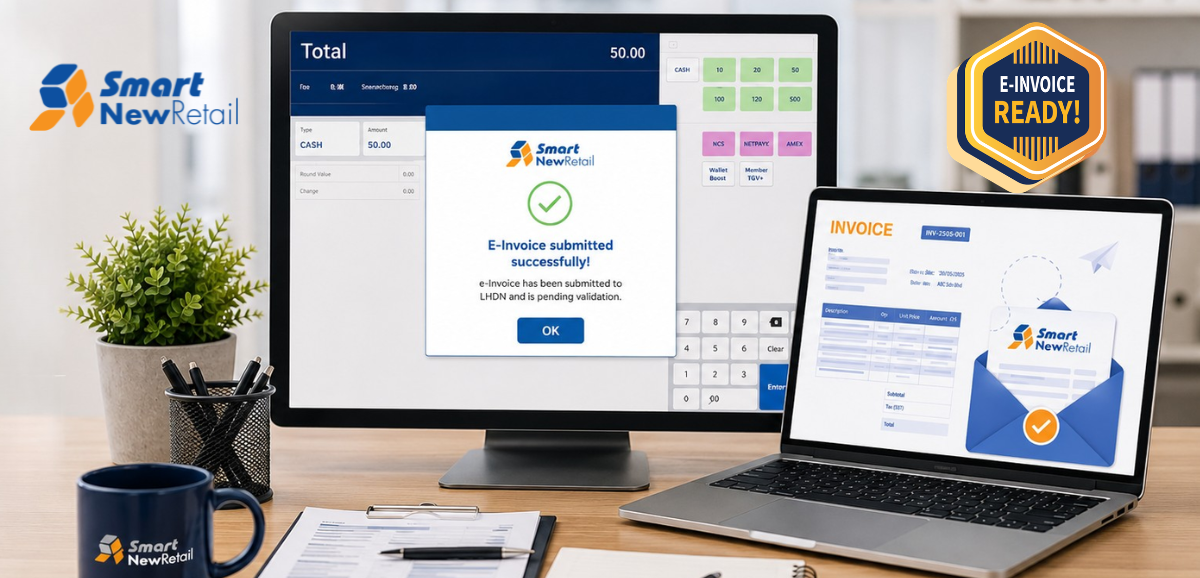
Retail businesses handle many customer sales every day. Paperwork slows the checkout process and adds extra work. An e invoice pos system links every sale with invoice creation and keeps work moving without delays.
Here are the main benefits.
Faster Checkout
The system creates invoices as soon as a sale ends. Customers receive their invoices quickly, and staff serve the next customer without delay.
Better Accuracy
The system fetches sales details straight into the invoice. This process removes repeated typing and cuts human errors.
Improved Tax Compliance
Every transaction follows the required format before submission. Businesses keep accurate tax records throughout the year.
Better Inventory Control
Each sale updates stock levels at once. Managers can see available products and plan stock with confidence.
Easier Record Keeping
The system stores every invoice in one secure place. Staff can find, open, or review records within seconds.
Common Challenges Businesses Face During E-Invoice Implementation
Electronic invoicing offers many benefits. Still, some businesses face challenges during the change.
1. Employee Training
Employees need to learn new steps and understand updated tax rules. Good training builds confidence and reduces mistakes.
2. Data Quality
Te validation process for invoices comes to a complete halt when there are errors in customer information or when tax information is missing. Organisations need to verify every data entry before they transfer their information to the upcoming system.
3. Process Changes
Companies must approve the new methods of electronic invoicing before they can use them. Organisations need to establish defined procedures which enable their staff members to follow uniform operating methods.
4. Cyber Security
Digital systems require protection, which must be powerful and effective. Organisations need to establish password security systems and user access management systems, and they should perform software updates according to their established schedule.
With careful planning, businesses can overcome these challenges and enjoy a smooth transition.
E-Invoice POS System vs Manual E-Invoicing
Many businesses compare digital invoicing with manual methods before making a decision. The differences become clear as the number of daily transactions grows.
The table below shows the key differences.
Feature | E-Invoice POS System | Manual E-Invoicing |
Invoice Creation | Creates invoices automatically | Requires manual entry |
Processing Speed | Completes tasks quickly | Takes more time |
Data Accuracy | Keeps information accurate | Depends on manual typing |
Tax Compliance | Follows built-in rules | Needs manual checking |
Record Storage | Stores records digitally | Stores files separately |
Error Correction | Fixes issues with ease | Takes longer to correct |
Reporting | Shows reports instantly | Requires manual preparation |
Industries That Benefit Most from E-Invoice POS Systems
Many industries handle large numbers of customer transactions every day. Digital invoicing helps them organise records, reduce paperwork, and improve daily work.
These industries benefit the most:
- Retail stores
- Restaurants and cafés
- Supermarkets
- Healthcare providers
- Pharmacies
- Hotels
- Wholesale distributors
- Automotive businesses
- Professional service firms
- Manufacturing companies
These businesses create many invoices every day. A connected system speeds up work, keeps records accurate, and strengthens financial management.
How to Choose the Best E-Invoice Software in Malaysia
Choosing the right software takes a careful approach. Every business works in its own way, so the best solution should match today's needs and support future growth.
Keep these points in mind before you choose.
1. Compliance Support
Choose software that follows Malaysia's latest electronic invoicing rules. Regular updates help businesses stay ready when new rules arrive.
2. Scalability
A business can grow over time. Good software should handle more invoices, more users, and more business locations without slowing down.
3. Ease of Use
Simple software helps employees learn faster. Clear menus also reduce mistakes and help everyone finish work with confidence.
4. Reporting Tools
Good reports reveal sales, invoices, taxes, and customer transactions in one place. These reports help managers make smart business decisions.
5. Security Features
Strong security keeps business information safe. Choose software that protects data with encrypted storage, user permissions, and regular backups.
6. Customer Support
Reliable support solves problems quickly. Fast help keeps business operations moving without long delays.
A careful choice today can save time, reduce stress, and support business growth for many years.
Why Integrated POS and E-Invoicing Matter
Many businesses still use separate systems for sales and invoicing. This setup creates extra work and increases the chance of mistakes.
A connected point-of-sale and invoicing solution links every sale with financial records. Sales details flow straight into invoice creation, which removes repeated typing and improves accuracy.
This connection also brings many benefits.
- Speeds up customer transactions
- Keeps customer information consistent
- Tracks stock with greater accuracy
- Strengthens financial reporting
- Simplifies tax preparation
- Reduces paperwork
A strong e-invoice integration also connects accounting software, inventory systems, and payment platforms. This smooth connection keeps business records accurate across every department.
Future of E-Invoicing in Malaysia
Malaysia continues to strengthen its digital tax system. As more businesses adopt electronic invoicing, digital processes will shape everyday business activities.
Future improvements may include:
- Greater automation across financial tasks
- Faster invoice validation
- Better data sharing between business systems
- Stronger protection against fraud
- Smarter reporting tools
- Wider digital adoption across many industries
Businesses that prepare early can welcome future changes with confidence. They can also sharpen efficiency while keeping financial records accurate and organised.
Why Businesses Are Switching to Smart E-Invoice POS Solutions
Many businesses now replace manual work with connected digital systems because they want faster, simpler, and more accurate operations.
A modern e invoice pos system joins sales processing, stock updates, and invoice management in one smooth workflow. This setup removes repeated tasks and helps employees finish work with greater speed and accuracy.
Businesses also enjoy many other advantages.
- Faster invoice processing
- More accurate records
- Easier compliance
- Better customer service
- Less paperwork
- Clear business reports
Conclusion
The implementation of a reliable e invoice system enables organisations to minimise their document handling activities while they achieve precise record-keeping and obtain straightforward access to their tax requirements. Businesses get better data flow between their accounting systems, inventory, and sales systems through their e invoice system, which works with their e-invoice integration system. The pos system enables businesses to process customer transactions through faster operations, which deliver consistent results with precise accuracy.
FAQs
Malaysia's e-invoicing requirements apply to businesses that meet the government's implementation criteria based on annual turnover and compliance deadlines.
Yes. Small businesses can adopt electronic invoicing when their implementation phase begins.
The framework includes tax invoices, credit notes, debit notes, refund notes, and self-billed invoices.
Yes. It cuts manual work, improves record accuracy, speeds up invoice processing, and makes financial reporting much easier.