Complete Guide to E-Invoice System & POS Integration in Malaysia
Malaysia is now entering a new era of digital taxation. Many businesses must adopt an e-invoice system to follow the new rules. This shift may feel challenging at first. Yet it brings order and control. Instead of shuffling paper files, companies can create and send invoices digitally. The system sends details straight to the tax authority. As a result, records stay neat and clear. When shops connect invoices to sales tools, workflows run uninterrupted. This blog explains how the system works, why it matters, and how businesses in Malaysia can prepare with confidence.
What Is an e-Invoice System?
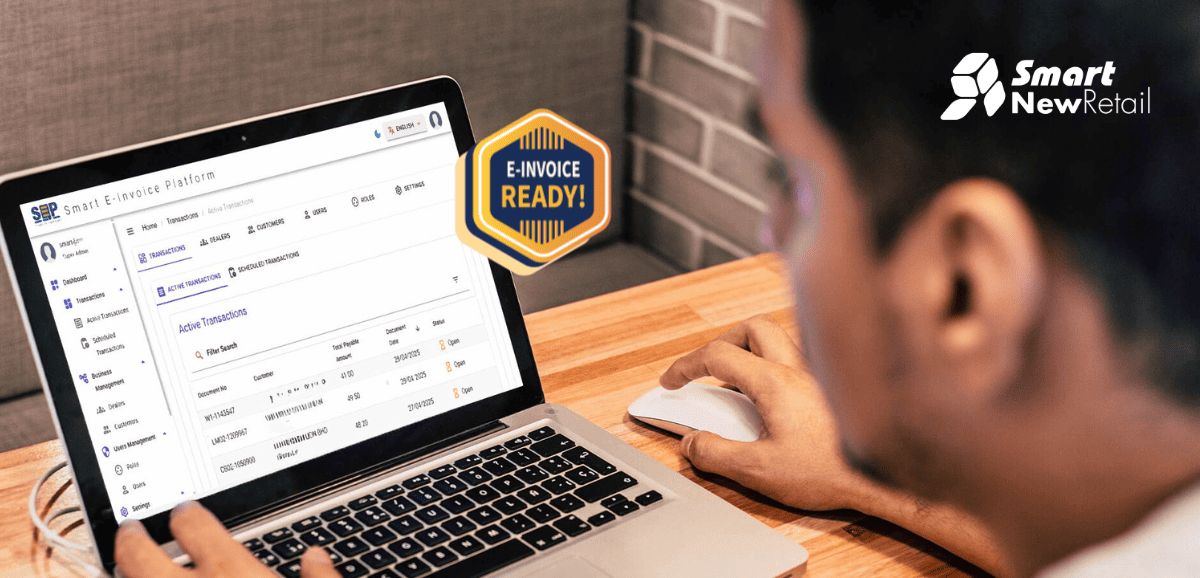
An e-invoice system creates and sends invoices in digital format. It replaces paper bills with structured data. The system gathers sales details, tax numbers, and buyer information. Then it forwards the invoice to the tax platform for review.
Once approved, the platform returns a unique code. This code proves the invoice meets tax rules. Because everything runs online, businesses can find records in seconds. They avoid lost files and reduce human mistakes. Most importantly, they meet Malaysia’s tax standards with clarity and control.
Why Businesses Need E-Invoice Integration
Businesses process sales every day. When they use separate systems for sales and billing, mistakes may happen. Our solution, e-invoice middleware is an E-invoice integration that is capable to link with SAP or ERP systems. Therefore, sales data is sent directly to the tax portal without manual entry. This connection mitigates mistakes, saves time, and protects tax records. It also helps businesses stay ready for audits and rule checks.
How E-Invoice Integration Works Technically
1. Data Capture at Point of Sale
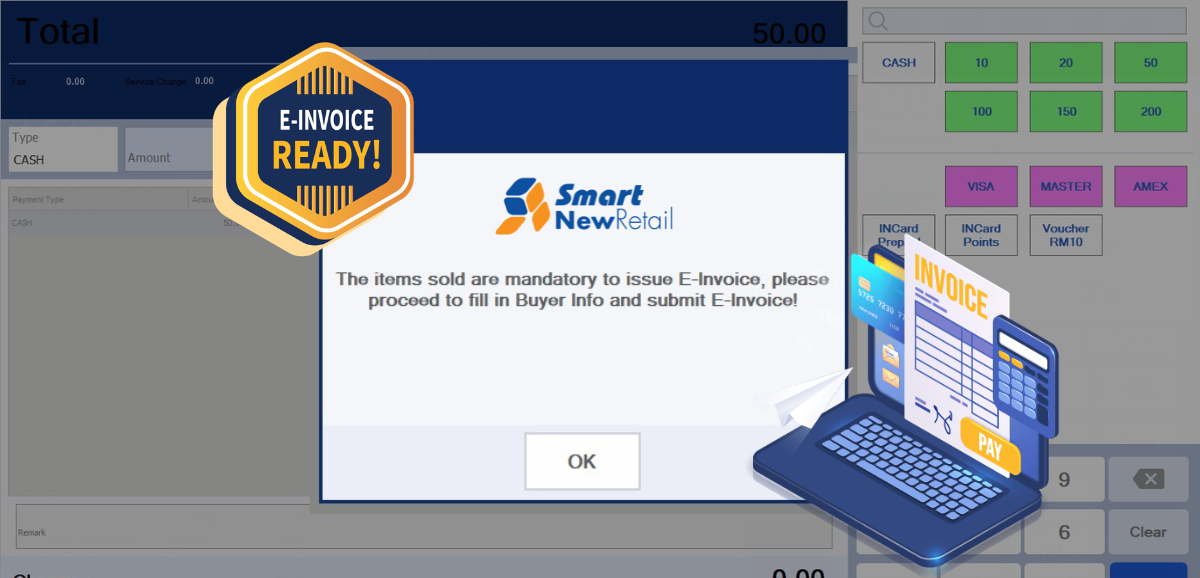
When a customer buys an item, the POS system records the price, tax code, and product details. The system formats this data into an invoice. Clear data fields help the tax platform read each detail without confusion.
2. Secure Data Transmission
After capture, the system sends the invoice via an API. Encryption shields the data during transfer. The system waits for approval before it completes the transaction record.
3. Validation and Unique Identification
The tax platform checks each detail. If the invoice meets all rules, it assigns a unique reference number. This number confirms approval. The system then stores the validated invoice in its records.
4. Storage and Reporting
The software archives every invoice in digital storage. Managers can easily pull sales and tax reports. Because the system links sales and billing data, reconciliation becomes smooth and clean.
Common Challenges Businesses Face
Some businesses rely on old e invoice pos systems that lack digital links. Upgrading systems may feel complex. Staff may resist new workflows. Poor internet access can also slow invoice validation. However, clear planning and proper training can solve these problems and steady the transition.
Compliance Timeline & Risk Explanation
Malaysia rolls out e-invoicing in phases. Large companies must comply first. Smaller firms follow later. Businesses that miss deadlines may face penalties or rejected invoices. This can disturb cash flow and invite audit pressure. Therefore, early preparation guards operations and reduces compliance risk.
Benefits of Using an Integrated E-Invoice POS System
1. Faster Billing and Checkout Flow
An integrated e-invoice POS system unites sales and billing into a single, clear step. When staff scans items, the system generates the invoice immediately. It sends validation details without pause. As a result, queues move faster. Staff avoid manual typing. Customers receive approved invoices on the spot. This smooth flow strengthens daily operations.
2. Accurate Tax Reporting
Manual entry often sparks small mistakes. Wrong figures can trigger rejection. An integrated setup transfers sales data straight into invoice format. Therefore, records match across systems. This accuracy protects businesses during audits. Managers can review tax summaries with confidence and avoid disputes.
3. Better Record Management
Paper invoices fade or vanish over time. Digital records remain secure and searchable. With an integrated e-invoice pos system, businesses can locate invoices by date or customer name. This saves hours during audits. Clear data also helps managers study sales trends and plan growth.
4. Improved Customer Experience
Customers value quick and smooth service. When systems connect, staff complete sales in one step. Buyers receive validated invoices with reference codes. This builds trust. In addition, digital invoices reduce paper use. Many customers respect businesses that adopt eco-friendly habits.
Who Needs an E-Invoice POS System?
1. Retail Stores
Retail shops handle many transactions each day. They need quick billing and accurate tax records. A connected system keeps lines short and records correctly.
2. Restaurants and Cafés
Food outlets serve many customers during peak hours. They must issue valid invoices for each order. A linked system helps staff serve without delay.
3. Service Providers
Consultants, repair shops, and salons also create invoices for every service. Digital links prevent missing details and keep tax data complete.
4. Growing SMEs
Small and medium firms aim to expand. They need tools that scale with growth. An e-invoice system paired with POS software supports this journey while meeting tax duties.
How to Choose the Right E-Invoice System in Malaysia
1. Ensure LHDN Compliance
The system must comply with the rules set by Lembaga Hasil Dalam Negeri Malaysia. It should connect with the official API and produce validated invoice references.
2. Check Integration Capability
Strong e-invoice integration allows sales and billing systems to work as one. Businesses should confirm that data flows without manual steps. This reduces training time and lowers the risk of errors.
3. Review Data Security Features
Digital invoices contain sensitive information. The system must encrypt data during transfer and storage. Strong security shields business and customer information.
4. Evaluate Scalability
A reliable solution must handle rising transaction volumes. It should adapt to new tax updates and business growth. Flexible features protect long-term operations.
Why Smart-Acc Is Built for Malaysia’s E-Invoice Requirement
1. Designed for Local Compliance
Smart-Acc aligns its invoice structure with Malaysian tax rules. The platform formats invoices based on required fields and validation steps. This design helps businesses meet industry standards with clarity.
2. Seamless System Connection
The software supports smooth links between POS and billing tools. This connection reduces manual entry and keeps records aligned with tax demands.
3. Clear Reporting Structure
The platform organises invoices into searchable categories. Managers can review summaries and track tax totals without confusion.
4. Built for Malaysian Businesses
The system reflects local reporting practices and workflows. It supports retail, food service, and service sectors. This focus helps businesses comply with digital invoicing rules across Malaysia.
Conclusion
The Malaysian government has established digital tax systems that function as an advanced economic development initiative. The solution, which handles electronic invoices, replaces all paper documents with a digital system that manages all purchase orders. When businesses link their invoice to sales systems, they achieve better operational speed and maintain their accuracy standards. Organisations will test their endurance during transformational periods, yet they must act quickly to avoid penalties and reduce stress.
Organisations that want to survive need to establish current initiatives to safeguard their operations and maintain their financial resources. Digital invoicing surpasses rule compliance because it offers additional benefits to organisations. The process creates a more stable system that strengthens data maintenance practices while establishing reliable relationships among all parties involved. Organisations that establish robust infrastructure will achieve their business objectives through efficient management and optimised operational systems.
FAQs
If a business misses the deadline, authorities may impose penalties or reject invoices. This can disrupt payments and create audit issues. Early preparation helps avoid these risks and keeps operations stable.
Yes, small businesses can adopt simple tools that connect with their POS software. They must ensure the system meets Malaysian tax standards and supports correct validation and reporting.
Most businesses keep their existing POS software. E-invoice integration connects the POS system to the tax platform. This allows data to move between systems without requiring a full setup replacement.