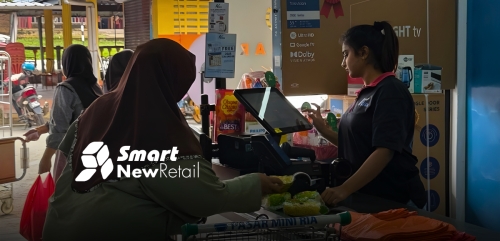
How to Choose the Right Retail POS System in Malaysia
Retail in Malaysia operates at a fast pace throughout the day. Customers in retail stores expect to complete their purchases without obstacles, while they need to understand their expenses and complete their transactions quickly at checkout. Retail businesses require point-of-sale systems that simplify sales operations by managing inventory and maintaining customer databases to fulfil their operational requirements. Business owners face difficulties when deciding which software system will deliver sustainable market success.

The market offers numerous tools that claim to deliver a range of features and advantages to retail businesses looking to expand. So, how do you select the right one with confidence? This blog explains how point of sale systems for retail work, what features matter most today, and how to choose a system that supports steady growth.
What Is a Point-of-Sale System for Retail?
A retail point-of-sale system functions as the payment location that customers use to buy products when they enter a store. The system functions through a combination of software and hardware components that deliver accurate sales processing. The software system maintains records of all purchases, monitors inventory levels, and protects customer information in a secure database. The hardware system consists of four essential components: a screen, a barcode scanner, a receipt printer, and a cash drawer, all of which operate every day.
In simple terms, it acts as the brain of your shop operations. Instead of writing sales in a notebook, the system captures every transaction in real time. As a result, you gain order, clarity, and better control over daily tasks and records.
How Retail POS Systems Work
Sales Processing
When staff scans a barcode, the system fetches product details from its database in seconds. It displays the price, applies discounts, and calculates tax correctly. Then it records the payment method and prints or sends a receipt to customers. Each step flows in seconds, keeping checkout smooth and organised.
Inventory Updates
Each sale instantly reduces stock levels in the system database. Therefore, you always see the correct numbers without having to check shelves manually. If the stock dips too low, the system sends alerts. This process guards against empty shelves and excess buying in busy periods.
Data and Reporting
Throughout the day, the system gathers sales data from every transaction. It then shapes reports that clearly reveal top-selling items, busy hours, and total income. These reports guide smart decisions about pricing and stock planning for future growth.
Key Features of Modern Retail POS System Malaysia
Inventory Management
Strong inventory tools track every product from arrival to checkout without confusion. The system adjusts stock levels after each sale and flags items that move slowly in storage. Because of this, retailers avoid waste and lost sales during peak seasons. Clear stock control protects profit and keeps shelves balanced across departments.
Multi-Payment Integration
The present systems operate without any errors when processing card transactions, digital wallet payments, QR code scans, and physical cash transactions. Every retail store needs to offer customers multiple payment options at checkout. A retail POS system operating in Malaysia must support all common local payment methods people use every day. Smooth payment processing leads to shorter lines, which create positive shopper trust experiences.
Sales Reporting and Analytics
Clear reports unlock useful insights for store owners and managers. The system shows daily totals, product trends, and staff performance in simple charts. Retailers compare monthly results and adjust plans with better clarity. With solid data in hand, owners shape smarter strategies and guide their stores with confidence.
Customer Management
Customer profiles store purchase history and contact details for easy access. Retailers use this data to craft loyalty programmes and targeted offers that attract buyers. When shoppers feel recognised, they return to the store. Strong customer management deepens relationships and lifts repeat sales over time.
Retail POS Hardware Components Explained
Touchscreen Terminal
The touchscreen serves as the command hub inside the store. Staff tap it to quickly scan items, process payments, and check stock levels. A responsive screen speeds up service and reduces mistakes during busy hours.
Barcode Scanner
The scanner reads product codes in a blink during checkout. It removes the need to type prices by hand for every sale. Faster scanning cuts waiting time and keeps the line moving smoothly.
Receipt Printer and Cash Drawer
The printer produces clear receipts for each sale completed. At the same time, the cash drawer securely holds notes and coins. Together, these tools support smooth service and safe cash handling daily.
Cloud POS vs Traditional POS
Before selecting a system, it helps to carefully compare cloud and traditional setups. The table below outlines five key differences for better understanding.
| Feature | Cloud POS | Traditional POS |
| Data Storage | Stores data online securely | Stores data on local server hardware |
| Access | Access from any device with an internet connection | Access is limited to the store location only |
| Updates | System updates itself automatically | Staff install updates manually when required |
| Scalability | Expands easily to new outlets | Expansion requires extra setup and hardware |
| Backup | Saves data online automatically | Staff perform manual backup procedures |
Cloud systems offer flexibility for modern retailers, while traditional systems rely on in-store equipment and servers. Retailers should balance control with ease of access before making decisions.
Common Problems Retailers Face Without Proper POS
Without a proper system, retailers juggle messy stock records and slow checkout lines daily. Staff may enter prices by hand, leading to mistakes and confusion. Owners struggle to track sales clearly across departments. As a result, they guess rather than plan future stock purchases. Over time, confusion grows, and profits shrink steadily.
Benefits of Using a Retail POS System in Malaysia
Improved Stock Accuracy
Accurate stock tracking shields retailers from loss and wasted inventory. The system updates quantities after every sale and clearly displays real stock levels. Therefore, you avoid empty shelves and reduce excess storage orders. Clear data strengthens purchasing decisions and keeps operations steady throughout the year.
Faster Checkout Experience
Shoppers value speed during their store shopping trips. A well-built retail pos system in Malaysia scans items quickly and processes payments without delay. It handles tax and discounts with ease during busy hours. As a result, the checkout process feels smooth and efficient, strengthening customer trust and loyalty.
Clear Financial Records
The system records each transaction with precision and order. It stores payment types and daily totals in one dashboard for review. Because of this, you can review performance with clarity at any time. Clear financial records also support proper tax reporting and careful planning for expansion.
Better Business Insights
Sales reports uncover useful patterns in buying behaviour. Retailers spot busy hours and popular items across departments. Then they adjust staff schedules and stock levels based on facts. These insights inform smarter choices and fuel steady, long-term growth.
Who Needs a Retail POS System?
Any shop that sells products each day benefits from a structured POS system solution. Fashion stores, grocery shops, electronics outlets, and speciality retailers all gain value from organised systems. Even small shops can strengthen control with reliable point-of-sale systems for retail solutions.
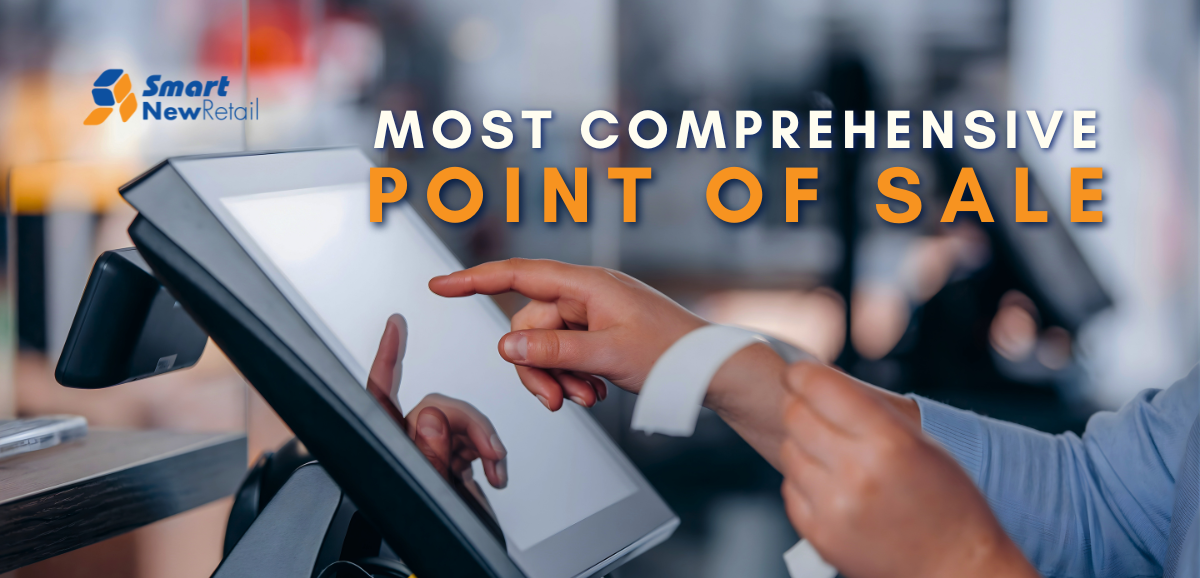
How to Choose the Right Retail POS System in Malaysia
Understand Your Business Needs
Begin by clearly listing daily tasks in your shop. Do you manage many items across categories? Do you run more than one outlet in different areas? Clear answers help narrow your options without confusion.
Check Payment Compatibility
Confirm that the system supports widely accepted local payment methods. Malaysian customers favour cards, QR codes, and e-wallets in stores. Therefore, payment compatibility plays a key role in the selection process.
Review Scalability
Choose a system that grows with your expansion plans. If you plan to open new branches soon, select software that lets you easily connect outlets under a single dashboard.
Assess Ease of Use
Staff should grasp the system without struggle during training. A clear interface shortens training time and reduces mistakes at checkout. When employees feel confident, service quality rises across the store.
Retail POS System & Malaysia Compliance
Retailers in Malaysia must follow tax and data rules set by the authorities. A compliant system clearly records sales and protects customer data from misuse. It calculates tax correctly and stores data safely for audits. Therefore, retailers meet legal standards while maintaining accurate documentation at all times.
Why Smart Retail POS Is Built for Malaysian Retailers
A retail pos system in Malaysia operating needs to understand how customers in different areas purchase goods and what retail businesses need to function successfully. The software enables businesses to accept various payment methods while managing their multiple store locations and generating comprehensive reports. The system aligns with Malaysian business practices, enabling users to complete their daily work efficiently while advancing their strategic targets.
Conclusion
Choosing the right POS system shapes the future of your shop business. Clear stock tracking, quick checkout, and strong reporting create order and confidence daily. Reliable point-of-sale systems for retail support growth and strengthen customer trust over time. When you match the system to your store’s needs carefully, you build a firm base for success. Take time to review features and plan ahead wisely. A wise choice today prepares your shop for tomorrow and beyond.
FAQs
A retail POS system in Malaysia is an all-in-one solution that enables quick sales recording, stock management, and payment processing. The system enables businesses to detect errors, leading to better organisational control across various business units. Retail businesses obtain precise information that helps them manage their inventory and shows which items customers choose to purchase.
Yes, small retailers gain structure and clarity from a POS system solution. Even a small shop handles many transactions each day. The system organises records, reduces mistakes, and supports steady, long-term growth.
The system speeds up checkout and prevents billing mistakes during busy periods. It stores purchase history, which supports loyalty programmers and offers. Faster service and accurate records build trust and encourage repeat visits from customers.