
Warehouses form the hidden engine behind countless business operations. Every packed box, every sorted item, and every shipped order depends on a space that stays organised and responsive. When that order breaks, the entire chain struggles to keep pace. Manual processes slow things down, create confusion, and drain time.
This is why many teams turn to a warehouse management system midway through their journey. It steps in as a steady guide that clears clutter, sharpens control, and keeps daily activity aligned. Once in place, it transforms how stock moves, how staff work, and how orders flow. As these changes grow stronger, the warehouse gains a rhythm that feels easier and more controlled.
What Is a Warehouse Management System (WMS)?
A warehouse management system works as the command hub that oversees warehouse activity. It watches what comes in, what moves, and what goes out. It directs stock placement and tracks movement from start to finish. The tool ensures nothing slips through cracks or drifts out of sight. Businesses often explore systems available through Smart-Acc when they want smooth control built on simple tools.
A WMS brings quick clarity. It updates data in real time, shares accurate counts, and helps teams handle tasks without confusion. This structure lifts performance and maintains order in busy spaces. As the warehouse grows, the WMS guides new workflows and supports teams who need stronger direction.
How a Warehouse Management System Works?
A WMS links each step inside the warehouse so every task connects with purpose. When goods arrive, staff scan items into the system. It records them instantly and assigns the right storage spot. This removes guesswork and keeps stock visible.
During order fulfilment, the WMS guides workers to the correct aisle and shelf. It builds picking routes that shorten travel time and groups tasks in logical order. Packing teams follow clear instructions, and shipping labels print with the correct details. This rhythm carries through every action and produces smoother results. As demand rises, the WMS shifts its plan and supports quicker responses.
Key Features of a Modern WMS
Modern systems push efficiency forward with smart tools that refine daily flow. Each feature works with the next to shape a clean and simple process. As these tools grow stronger together, they create a warehouse that feels lighter, clearer, and easier to manage.
1. Live Inventory Tracking
Stock updates the moment it moves. This prevents confusion, reduces mistakes, and helps teams act quickly. These instant changes guide smarter choices and allow staff to correct issues before they grow. Clear numbers also calm stress because everyone sees the same truth at the same time.
2. Efficient Picking Tools
The system builds fast picking paths, groups tasks, and reduces unnecessary steps. Staff follow these paths with more ease and finish work sooner. This flow keeps the warehouse lively and cuts long walks that slow down the day. Strong picking tools also help new workers learn routes without fear.
3. Staff Productivity Support
Workers receive organised tasks and clear priorities, which helps them stay focused and efficient. This guidance lifts confidence and smooths team flow. When everyone understands their role, the warehouse hums with steady energy. Simple instructions also help workers move safely and avoid rushed mistakes.
4. Reporting and Insight Tools
Dashboards show patterns, stock activity, and trends. This clarity supports stronger decisions. Leaders use these views to adjust plans and improve speed. These insights reveal hidden delays and shine light on areas that need fresh ideas. Strong reporting tools guide smarter planning for future growth.
5. System Integration
A modern WMS connects with tools across the business. Many turn to Smart-Acc for systems that blend well with sales and retail platforms. These links create steady movement from store to shelf. Smooth integration also clears messy data and gives teams one clean view of the whole operation.
Benefits of Using a Warehouse Management System

A strong WMS delivers several key advantages that shape warehouse success. These benefits grow over time and help every part of the chain work better. As each gain adds up, the warehouse transforms into a place that supports success instead of slowing it down.
1. Fewer Errors
Guided processes limit mistakes caused by manual handling and rushed work. Stronger accuracy protects time and energy. Clear steps help workers catch problems early and handle stock with care.
2. Faster Order Flow
Smarter paths help staff pick items quickly and complete orders on time. This speed strengthens trust and keeps the day moving without dips. A fast flow also lifts team spirit as everyone sees steady progress.
3. Better Space Use
The system recommends the best storage layout to keep the warehouse tidy and efficient. This structure frees space for growth and helps teams glide through aisles without trouble.
4. Lower Operational Strain
Teams work with ease and avoid repeated steps that drain energy. Everyone moves with a clearer purpose and creates a calmer environment.
5. Stronger Customer Satisfaction
Accurate, reliable deliveries support trust and repeat business. Happy customers return and stay loyal, which helps the business stay strong.
Signs Your Business Needs a WMS
A warehouse often shows early hints when it needs a stronger structure. Stock counts drift away from the truth. Delays grow harder to control. Teams struggle to find items or update records. Misplaced products slow orders, and simple tasks take far too long.
These signals suggest that manual tracking no longer supports daily demands. A WMS restores control, brings order to the workflow, and helps the business keep moving at a steady pace. When these signs increase, teams benefit from a clearer system.
Types of Warehouse Management Systems
Many options exist, and each supports a different level of need. This variety allows businesses to choose a system that fits their size and goals. With the right choice, teams strengthen their flow without stress.
1. Standalone WMS
This tool is designed for warehouse tasks and has easy-to-use features. It tracks items and fulfils orders, but it does not connect to other systems.
2. Cloud-Based WMS
Accessible anywhere with internet access and updated without manual intervention. This style helps teams stay flexible and ready for busy days.
3. Integrated WMS
Part of a larger business system. Smart-Acc offers solutions that merge warehouse tasks with broader retail and sales activity. This unity strengthens daily flow and keeps data aligned across the whole chain.
4. Open-Source WMSSmart-Acc
These systems give teams full control over their technology and allow them to customise features. They handle both warehouse operations and the supply chain, making them perfect for companies that need to manage their entire supply process.
How to Choose the Right WMS?
Finding the right system begins with understanding what the warehouse requires. Study stock volume, daily workload, and the number of staff. Look for tools that stay simple to use and expand as the business grows. Check whether the system fits with existing software and supports quick training.
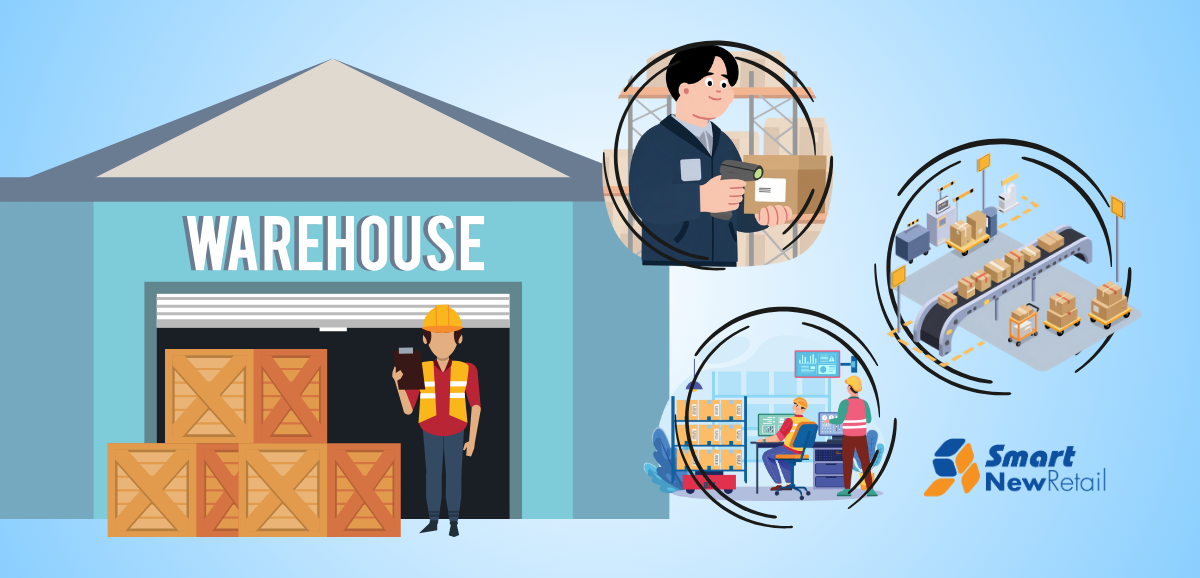
Platforms such as Smart-Acc offer flexible tools that blend warehouse control with inventory and retail features. This structure keeps the setup simple and helps teams move smoothly into the new system. A smart choice supports smooth work long after installation.
Implementation Tips for Smooth Adoption
Transitioning to a WMS becomes simpler when planned with intention. Each step shapes success and builds trust among the team. With steady guidance and clear steps, the whole shift feels easier.
1. Start with a Clear Plan
Outline goals and the changes needed to reach them. A strong plan creates a steady start and helps everyone understand the path ahead.
2. Train Teams Early
Let staff explore features and practise tasks before launch. Early training builds comfort and removes fear.
3. Roll Out in Stages
Begin with a small section of the warehouse. Once steady, extend use across the space. This approach helps teams learn without stress and keeps progress smooth.
4. Choose a Supportive Provider
A strong partner simplifies the entire process. Smart-Acc offers steady guidance that helps businesses adopt tools with confidence. This support encourages smooth growth and gives teams a sense of control.
Future Trends in WMS
Warehouse tools keep evolving to meet rising demands. New systems improve forecasting accuracy and sharpen stock movement suggestions. Mobile handling grows stronger as teams work with handheld tools that update records instantly. Automation expands across storage and order processes. Cloud-based functions increase speed, and connected devices share data quickly for smarter decisions.
These trends push warehouses toward faster, cleaner, and more accurate operations. As changes continue, a strong WMS helps businesses stay ready for the future.
Conclusion
A warehouse management system does more than track stock. It directs flow, sharpens speed, and brings structure to every task. With a WMS in place, warehouses handle growth with less stress and more confidence. Teams work with clarity, orders move without delay, and customers receive dependable service.
When the right system supports daily tasks, the warehouse becomes a stronger part of the business. Solutions from Smart-Acc help operations maintain this strength with simple, effective tools built for real demands.
If your warehouse requires improved workflow and enhanced organisation, consider the flexible systems available at smart-Acc. Utilising the right tools can ensure your operations remain efficient, swift, and ready for growth.
FAQs
It manages warehouse operations like receiving, storing, picking, and shipping. It keeps everything organised and up to date, so nothing slips through the cracks.
Yes, most modern systems are designed to integrate with other tools, like point-of-sale systems or ecommerce platforms. Smart-Acc offers these kinds of connections out of the box.
Absolutely. Even small warehouses benefit from structure and control. Cloud-based systems make it affordable and scalable.
It depends on the system and your setup. But with a step-by-step approach and support from experienced providers, the transition can be smooth and rewarding.