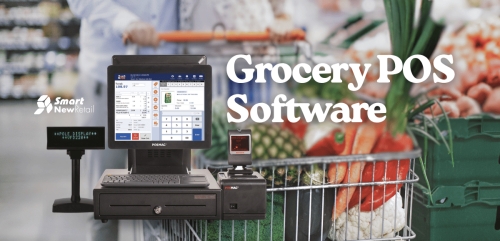
Best POS System for Grocery Stores in Malaysia: Features, Benefits & Guide
Retail in Malaysia is growing steadily, and grocery stores are a key part of this progress. Customers enter stores with clear expectations. They want fast service, accurate billing, and a smooth checkout experience. In this setting, a reliable system for Point of Sale in Malaysia plays an important role in how a store operates each day.
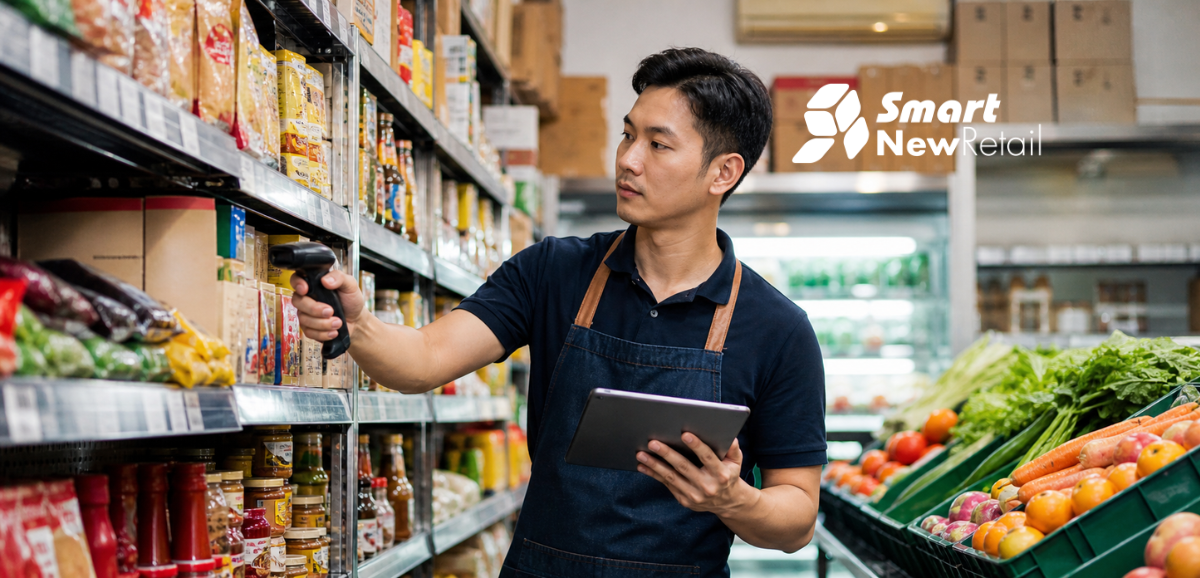
A POS system does more than handle payments. It connects stock, sales, and customer data into one simple system. This helps store owners manage their daily tasks with better control and confidence. Grocery stores, in particular, deal with fast-moving items and a high number of customers. Because of this, they need systems that can keep up with their pace.
This guide explains how POS systems support grocery businesses, highlights the key features to look for, and helps you choose a system that suits your needs.
What is a POS System?
A POS system serves as the central hub of a retail store. It records every sale and processes payments in a smooth manner. At the same time, it connects key business functions into one system.
It tracks inventory, records sales activity and stores customer information. The system organises this data in a clear format, which helps store owners understand how their business performs.
In a grocery store, the system must manage several tasks at once. It handles bulk purchases, adjusts prices when needed and supports quick billing. It also keeps stock records accurate at all times.
Key Features of POS Systems for Retail & Grocery Stores
A POS system brings together essential tools that support daily retail operations with clarity and control. It helps store owners manage sales, stock and customer activity in one streamlined flow.
Fast Billing & Checkout System
Speed drives customer satisfaction. A POS system completes transactions within seconds. It keeps queues short and reduces waiting time. As a result, customers leave with a positive impression and return for future purchases.
Barcode Scanning Integration
Barcode scanning replaces manual entry. Staff scan items and the system fetches product details at once. This reduces errors and improves accuracy.
Real-Time Inventory Tracking
Stock control remains a major concern in retail. A POS system updates inventory with every sale. Store owners can check stock levels at any time. This prevents both overstocking and stock shortages.
Multi-Store Management
Retail chains need central control. A POS system allows managers to track sales and stock across locations. This creates a unified view of the business.
Integrated Payment Options
Customers use different payment methods. A POS system supports:
- Cash payments
- Card transactions
- E-wallets used across Malaysia
This range ensures smooth transactions for all customers.
Sales Reporting & Analytics
Reports turn raw data into clear insights. Store owners can review daily sales, identify popular items and track performance trends. This helps them make informed decisions.
Customer Management
Customer data builds strong relationships. A POS system records purchase history and supports loyalty programmes. This encourages repeat visits.
Supplier & Purchase Management
Retailers work with many suppliers. The system tracks orders, deliveries and costs. This ensures better control over stock flow.
Promotions & Discount Handling
Promotions attract customers. A POS system applies discounts with ease and tracks their effect on sales.
Mobile and Cloud Access
Cloud access allows store owners to monitor operations from any location. This adds flexibility and control.
These features show why many businesses adopt POS systems for retail to improve operations and customer service.
You can also know about How to Choose the Right Retail POS System in Malaysia
Top Benefits of POS Systems for Retail Businesses in Malaysia
Retail companies need effective operational systems to achieve their business targets through proper organisational methods. A POS system brings structure, speed and insight, which helps store owners maintain control and deliver better service.
Faster Checkout & Reduced Queues
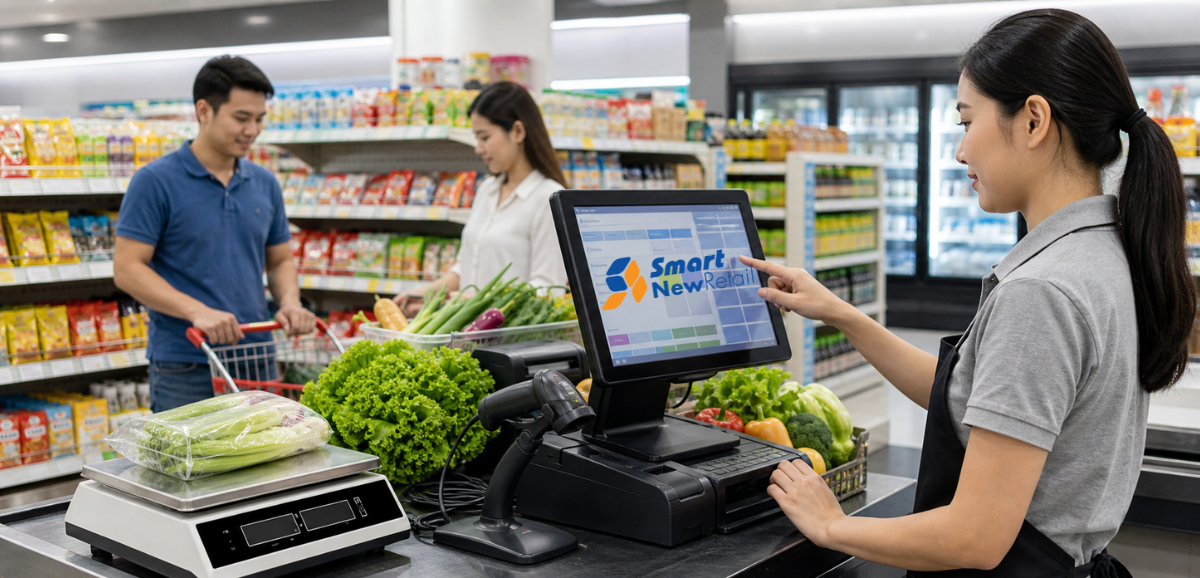
A POS system completes transactions with speed and precision. It shortens queues during peak hours and helps staff serve more customers, which improves flow inside the store and builds a smooth shopping experience.
Improved Inventory Accuracy
The system tracks stock in real time and updates records after each sale. This reduces the mismatch between actual and recorded inventory, which helps store owners avoid stock shortages and excess goods.
Better Sales Tracking
A POS system records every transaction and organises data into clear reports. Store owners can review sales patterns, identify popular products and plan stock based on demand throughout different periods.
Enhanced Customer Experience
Quick billing and accurate pricing create trust among customers. A POS system also supports loyalty programmes, which help businesses reward repeat buyers and build long-term relationships through consistent service.
Reduced Human Errors
Manual processes often lead to billing mistakes and incorrect entries. A POS system removes this risk by automating calculations and product selection, which ensures accurate transactions and reliable business records.
Real-Time Business Insights
The system gathers data and presents it in a clear format. Store owners can study performance, track growth and make decisions based on current information, which strengthens overall business planning and control.
Why Grocery Stores in Malaysia Need a Specialised POS System
Grocery stores face unique challenges. They handle fresh produce, packaged goods and items sold by weight. They also deal with high customer flow each day.
A specialised POS system for grocery stores in Malaysia supports these needs. It manages weight-based pricing and tracks expiry dates. It also handles large volumes of transactions with speed.
Moreover, grocery stores often run frequent promotions. A dedicated system applies discounts without confusion. It also tracks their impact on sales. Without such a system, store owners may struggle to maintain accuracy and speed.
Key Features of Grocery POS Systems
Grocery stores require systems that handle daily pressure with speed and accuracy. These features help maintain control, improve service flow and support smooth store operations.
Product Categorisation
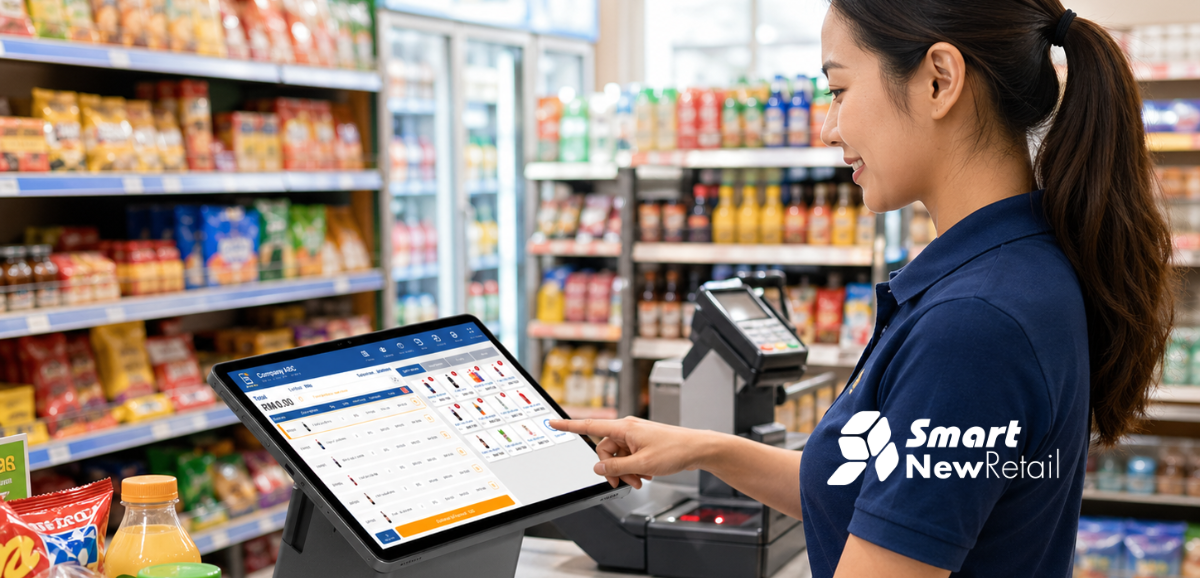
A grocery POS system groups items into clear categories, which helps staff locate products during billing. The system organises products into a clear structure which enables customers to complete their purchases quickly while it maintains proper stock organisation throughout all store areas.
Expiry Date Tracking
Fresh items require close monitoring to avoid waste and loss. The system monitors product expiration dates to send staff warning notifications which enable them to eliminate expired products and keep shelf items at their best quality.
Weight-Based Pricing
Many grocery products are sold by weight rather than at a fixed price. The system calculates cost based on measured quantity, which ensures accurate billing and builds customer trust during each transaction at the counter.
Bulk Stock Handling
Grocery stores manage large volumes of products across many categories. The system tracks stock levels in real time, which helps store owners maintain balance and avoid both overstocking and shortages.
Quick Product Search
Staff need to locate items quickly during busy hours. The system provides a quick search function that allows fast product lookup, which reduces delays and improves the overall checkout experience.
Integration with Weighing Scales
A grocery POS system connects with weighing machines to capture product weight directly. This integration ensures accurate pricing, reduces manual input and speeds up billing for fresh produce and bulk items.
Signs Your Retail Business Needs a POS System
Some signs indicate the need for a POS system.
- Customers face long queues at checkout
- Stock records do not match the actual inventory
- Staff spend time on manual billing
- Reports take too long to prepare
- Errors appear in daily transactions
If these issues arise, a POS system can resolve them and improve operations.
How to Choose the Best POS System in Malaysia
Choosing the right system requires careful thought. Each business has different needs.
- Understand Your Business Size: Small stores require simple systems. Larger businesses need advanced features.
- Check Ease of Use: Staff must learn the system with ease. A simple interface reduces training time.
- Look for Local Payment Support: Ensure the system supports payment methods used in Malaysia.
- Evaluate Inventory Features: Stock management must match your business type. Grocery stores need detailed tracking.
- Consider Cloud Access: Cloud systems offer flexibility and remote monitoring.
- Review Customer Support: Reliable support ensures quick solutions when issues arise.
- Test Before You Decide: A trial helps you understand how the system works in real conditions.
By following these steps, you can choose a system that supports your business goals.
Challenges Without a POS System
A store faces multiple operational obstacles when it does not have a POS system in place. The billing process through manual methods creates service delays which leads to customer dissatisfaction. Stock tracking becomes difficult, which leads to errors. Store owners face difficulties in inventory planning because they lack precise information. The situation leads to two possible outcomes which include either losing sales or ending up with too much inventory.
The financial records become difficult to understand which creates challenges for reporting purposes. Staff members experience work-related stress because the number of assigned tasks has increased. The situation creates negative effects which harm the quality of service delivery. The business will face growth restrictions because these problems will continue to exist throughout time.
Conclusion
A POS system stands as a vital tool for retail success. It improves speed, accuracy and control across operations. Grocery stores, in particular, benefit from systems that handle complex tasks with ease.
By choosing the right system, store owners can enhance customer service, manage inventory and make informed decisions. As retail continues to evolve, a strong POS system ensures that businesses remain ready for future challenges.
FAQs
A POS system is a tool that helps shops record sales, take payments, and track stock. It keeps all store data in one place and helps owners manage daily work with ease.
The cost of a POS system depends on features and store size. Simple systems cost less, while advanced systems cost more. Stores can choose based on their needs and budget.
The best POS system for grocery stores handles fast billing, tracks stock in real time, and supports weight-based items. It should also manage expiry dates and high customer flow.
Yes, POS systems manage inventory by updating stock after each sale. They help store owners know what is available, prevent shortages, and avoid extra stock that may not sell.
A cloud POS system allows store owners to check sales and stock from anywhere. It offers better control, easy updates, and helps manage the store even when the owner is not present.